|
|
|
We are so glad to have you in our OCD Clinic community.
|
|
|
|
|
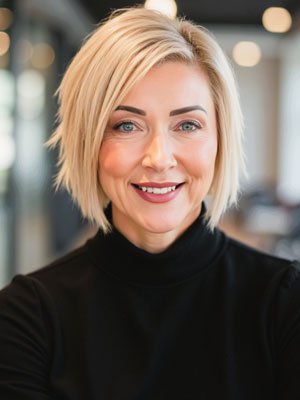
A note from our Director, Dr Emily O’Leary
It has been another busy month at the OCD Clinic, with several new clinicians starting, and preparations continue to open our sister clinic, Foundations Perinatal and Child Psychology Centre (www.foundationscentre.com.au).
|
For some of our long-standing clients, you may have noticed a familiar face in the clinic – we have been fortunate to have Kym Geier return to us as our new Practice Manager. Kym was previously our Operations Manager across OCD and Anxiety House many years ago, and we are thrilled that she has decided to return to the team.
|
In other news, some of our senior clinicians travelled to Sydney for the Anxiety and OCD conference, and to Melbourne for the Marce Society Perinatal and Infant Mental Health conference. While it is a registration requirement for our clinicians to maintain continued professional development hours, it's wonderful to see them enjoying this continued learning and bringing great resources back to the clinic to share with the team.
|
|
|
|
|
|
Dr Emily O'Leary,
OCD Clinic Brisbane
|
|
|
|
|
|
“Why Do I Have These Thoughts?”: Understanding Intrusive Thoughts and OCD
|
|
|
|
Our Senior Clinical Psychologist, Taylor-Jane Cox, wrote an article on understanding intrusive thoughts and OCD. This article offers a compassionate and insightful look at intrusive thoughts and their role in Obsessive-Compulsive Disorder (OCD). It explains how these thoughts (often disturbing, unwanted, and ego-dystonic) can feel deeply alarming because they clash with a person’s core values.
|
|
|
|
|
|
|
Bite-sized Research
A recent longitudinal study by Abramowitz and colleagues offers valuable insights into how OCD symptoms develop during and after pregnancy. The findings from this study align closely with what we're seeing clinically and provide important takeaways for health professionals, new mums, and their support systems.
|
|
Key Findings from the 2025 Study on Postpartum OCD:
|
The study identified certain thinking patterns that made women more vulnerable to developing severe OCD symptoms. These included:
|
- Feeling overly responsible for preventing harm
- Overestimating danger or risk
- Believing they must control every thought
These beliefs were predictive of more severe OCD symptoms, even after accounting for stress or previous mental health issues. This shows that OCD is not just about stress or sleep deprivation, it’s how mum’s interpret and respond to their thoughts.
|
The study’s findings underscore several critical points:
|
- Intrusive thoughts are NORMAL in new parenthood. Most new mothers experience them, and they don’t mean you’re a bad parent or a danger to your baby.
- Early screening is crucial. The sooner we can identify these obsessive thinking patterns- the sooner we can offer support and prevent these symptoms from becoming more severe.
- Postpartum OCD can be invisible. Because OCD can look different postpartum- such as needing things to feel “just right” rather than fearing contamination or harm, and many women suffer silently, unsure of what’s happening.
|
|
|
|
|
Have a free resource!
Who doesn’t love a freebie?
|
Take some time to revisit your goals, connect to what is meaningful about them, and break them down into small, actionable steps.
|
|
You can find the resource here:
|
|
|
|
|
|
|
|
Something practical to practice today
Our final note is a practical little thing that you can practice now. The “Name, Normalise, Nurture” Check-In.
|
|
Use this simple 3-step script when you’re feeling overwhelmed or critical of yourself:
|
|
|
|
|
|
1
|
|
Name the emotion:
“I’m feeling anxious/sad/frustrated right now.”
|
|
2
|
|
Normalise the experience:
“It’s okay to feel this way. Lots of people would feel this too in my situation.”
|
|
3
|
|
Nurture with kindness:
“I’m doing the best I can, and I deserve support, not shame right now.”
|
|
|
|
Try saying it silently, out loud, or even writing it in your notes.
|
|
It takes less than a minute but helps shift you out of self-judgment and into a more grounded, compassionate mindset.
|
|
|
|
|
You stuck with us for the whole newsletter! We hope it was an interesting read for you.
|
|
|
|
 
|
|
|
|